Blog

  • Where to Keep Your XMR: Practical, Private, and a Little Messy (Like Real Life)

    Okay, so check this out—storing Monero feels like packing for a trip you’re not sure about. My instinct said “cold storage,” but then other worries popped up. Whoa! I mean, I get it: you’re juggling privacy, accessibility, backups, and the ever-present fear of losing keys. Initially I thought one silver-bullet solution would emerge, but actually, wait—it’s messier than that. On one hand you want absolute privacy; on the other hand you need convenience when life happens—bill due dates, a quick trade, or a transfer to a buddy. Hmm… something felt off about the idea that one wallet can do it all.

    Here’s the thing. There are three broad places XMR usually lives: custodial services, software wallets, and cold (or air-gapped) storage. Seriously? Yes. And each comes with trade-offs. Short version: custodial is convenient but gives up privacy and control; software wallets are flexible but vulnerable to local compromise; cold storage is private and secure but brittle if you don’t manage backups correctly. I’m biased toward self-custody, but I’m also pragmatic—if you need to pay rent tomorrow, convenience matters. So let’s walk through each option with real-world instincts and clear steps you can actually use.

    Custodial wallets feel like renting a safe deposit box from someone else. They are easy. Wow! But you give up keys, and often metadata. That means the custodian—or anyone who subpoenas them—can tie transactions to your identity. For privacy-first folks, that stings. Still, for newcomers who only hold tiny amounts or want exchange access, they can be okay as a bridge. My advice: use custodial services sparingly. And if you do, keep it small—spare change, not an entire life’s savings.

    Moving to software wallets: that’s where most people live day-to-day. Fantastically practical. I use a mix depending on the device—mobile for quick stuff, desktop for managing larger sums. The mobile wallets aren’t perfect. They leak some metadata, and phones are noisy environments with apps and trackers, so be careful. There’s also the UX factor—some wallets are clunky. (Oh, and by the way… backups here are non-negotiable.) Keep your secret seed written on paper and stored securely. Double up. Triple up. Not kidding—seeds are the lifeline.

    Cold storage is the one that makes privacy nerds light up. Cold storage means your private keys never touch the internet. It sounds sexy. Seriously? Absolutely. But it’s high maintenance. You need a reliable air-gapped device, a trusted method to sign transactions offline, and a secure way to move signed transactions back to a networked machine. Initially I thought a hardware wallet was the silver bullet, but then I realized hardware has supply-chain risks and firmware complexities. On one hand, hardware wallets isolate keys; though actually, you still need to trust manufacture, firmware updates, and the chain of custody. My instinct said “take your time”—because mistakes here are costly.

    Hands holding a worn paper wallet and a USB stick with a Monero logo — a visual metaphor for paper vs hardware storage

    Choosing a Wallet — Practical Tips and a Single Trusted Link

    Pick a wallet that matches how you actually use XMR. If you want a mobile-first life, choose a mobile wallet with strong seed backup options. If privacy is priority, favor wallets that let you connect to your own node or a trusted remote node. Here’s a recommendation I often point people to when they’re ready to download: monero wallet. That’s my one link in this piece. Use it as a starting point, not gospel.

    Wallet choice aside, here are core practices that matter more than brand names. First: backup your seed. Short. Really short. Write it on paper. Store copies in different secure places. Consider a steel backup if you’re serious; paper degrades. Second: use strong passphrases where supported. Third: prefer wallets that support view-only addresses if you want to let a device check balance without giving it spending power. Seriously—this trick is underrated. Fourth: audit your setup occasionally. Things change. Software updates, new threats, your own habits—that all shifts.

    Let me get a bit nerdy. If you run your own Monero node, your metadata leakage drops substantially. You speak directly to the blockchain without asking strangers for information. But self-hosting means disk space, bandwidth, and a little technical patience. Hmm—after setting up a node once, it becomes routine. Everyone should try it at least once to understand the trade-offs. It’s empowering. And yeah, it’s a hobby for some of us.

    Practical cold-storage workflow—high level only. Create the wallet on an air-gapped machine. Generate the seed and save it securely. Create a view-only wallet for the online machine if you need balance checks. When you want to spend, create the unsigned transaction on the online machine, transfer it to the air-gapped one (USB), sign it there, then move it back for broadcasting. It’s awkward. It’s safe. If you lose the air-gapped device and have the seed, you’re alive. If you lose the seed, well… that’s the bad scenario. So backup like your future depends on it—because it does.

    I’ll be honest: the community sometimes fetishizes privacy tools like privacy for privacy’s sake. That bugs me. Privacy is a tool, not a religion. You need it in some contexts and less in others. Be realistic about your threat model. Are you protecting everyday privacy from tracking and profiling? Or are you defending against sophisticated, targeted surveillance? The measures you adopt should map to that spectrum. For most US-based users, strong self-custody combined with good operational security is plenty. For higher risks, add multi-layered defenses.

    Operational security tips you can implement today. Use dedicated devices for large holdings. Segment accounts: keep spending funds in a mobile wallet and savings in cold storage. Rotate addresses and avoid reuse. Avoid connecting wallets to public or untrusted Wi‑Fi. When handling seeds, prefer pen-and-paper backup over digital copies—no screenshots, no cloud uploads. And yes, consider multisig if you need shared control or a recovery path that doesn’t rely on a single point of failure.

    FAQ

    What’s the single most important thing I can do for my XMR?

    Back up your seed in multiple secure places. Short answer: seed. Long answer: protect the seed, add a passphrase, and test your recovery process. Practice restoring to a new device before you actually need it—don’t wait until panic.

    Can I use the same wallet for everyday spending and long-term storage?

    Technically yes, though it’s not ideal. You’ll trade privacy and increased risk for convenience. A simple rule of thumb: split funds. Keep a small balance accessible and the rest offline or in a separate wallet.

    Is it safe to store seed copies in a bank safe?

    Many people do this. It reduces local risks (fire, theft), but banks can be subpoenaed or otherwise accessed. Consider diversifying locations and use tamper-evident storage for extra peace of mind.

    Wrapping up—wait, I promised not to sound like a textbook. So here’s the real talk: your storage strategy will probably evolve. You’ll make choices you later tweak. That’s normal. My experience says start simple, learn, and then bolt on complexity as needed. Don’t overcomplicate day one. Also, somethin’ else: talk to trusted people in the community, but verify everything yourself. Double-check addresses, double-check seeds, and when in doubt, pause. People lose money very very fast from tiny mistakes.

    One last note: privacy and convenience are a spectrum. Choose where you stand on it, own that decision, and implement consistent practices. Initially I thought privacy meant paranoia, but then I realized it’s mostly about good habits. You can be private without living like a hermit. Keep your keys safe. Keep backups safe. Keep perspective. And if you want to dive deeper, try running a node or experimenting with air-gapped signing—learning by doing is how you get comfortable. I’m not 100% sure about everything—nobody is—but these are the things that helped me sleep at night.

  • Why I Keep the Bybit App on My Phone (and How I Use It for Derivatives)

    Okay, quick confession: I check prices too often. Seriously. But there’s a reason—a good one. Mobile access changed how I trade derivatives. It made me faster, more disciplined (weird, I know), and less likely to miss a funding-rate flip or a liquidation warning. If you trade crypto futures or perpetuals, having a reliable app matters. Here’s a practical, experience-driven primer on the bybit app, how to download it safely, and how I approach derivatives trading on mobile without turning into a nervous wreck.

    First thing first—download basics. Get the official app from your device’s store: App Store for iOS or Google Play for Android. Double-check the developer name (look for Bybit or Bybit Fintech), read recent reviews, and avoid third-party APK sites unless you know exactly what you’re doing. If you’re in the US, availability and features may differ; check the platform’s official notices and local rules.

    Once installed, two quick security steps: enable device biometrics (Face ID / fingerprint) and set up 2FA (authenticator app is preferable to SMS). Seriously—do that before you deposit any meaningful funds. I learned that the hard way years ago: one small skip and you regret it. Also, enable withdrawal whitelist and, if available, turn on anti-phishing codes. Those tiny friction points save huge headaches later.

    Screenshot of a trading app showing BTC perpetual position and order options

    Getting Started: From Download to First Trade

    After KYC and linking payment methods (if you plan to use fiat onramps), fund a small amount to test the flow. I always move in increments: deposit $50, execute a simple limit buy, then withdraw that amount back out. It’s boring, but it’s the best smoke test. If deposits/withdrawals and order fills look right, then scale up.

    On the app, the derivatives page usually lists perpetuals, futures, and options. Perpetuals are the most common—no expiry, recurring funding payments. Futures sometimes have expiries and different settlement mechanics. My instinct says start with perpetuals if you’re learning, because you can treat them more like a position you maintain rather than a contract that expires next month.

    Leverage is addictive. Very addictive. But it’s a double-edged sword. Use low leverage (2x–5x) until you really understand how mark price, liquidation price, and maintenance margin interact. On mobile, those fields are visible but easy to mis-tap, so double-check numbers before you confirm.

    Core Derivatives Concepts, Simplified

    Here are the key things I watch every time I open the app:

    • Mark Price vs. Index Price — prevents unfair liquidations during volatile spreads. Don’t confuse mark price with last trade price.
    • Initial Margin vs. Maintenance Margin — keep enough buffer or your position will be forcibly closed.
    • Funding Rate — periodic payments between longs and shorts; it can be a cost or a rebate. High positive funding means longs pay shorts; negative means the opposite.
    • Isolated vs. Cross Margin — isolated limits losses to that position; cross uses the whole margin balance. I prefer isolated for aggressive plays and cross for long-term hedges.

    Example: If you open a 10x long on BTC and BTC drops 9% quickly, you’re deep in danger. Even a small move can wipe you. So position sizing is everything: risk a tiny % of your account per trade—1% or less if you’re conservative.

    Order Types and Execution on Mobile

    Mobile apps now support limit, market, stop-limit, stop-market, and OCOs. Use limit orders when you can; they give you price control and sometimes fee rebates. Stop-market protects you, but in flash crashes a stop can still be hit at a worse price. I often place a conservative stop then a tighter mental stop—meaning I watch and act if things look weird (oh, and by the way, that requires discipline).

    Here’s a tactic I use: split entries. Put a partial limit order at a preferred level, then a secondary limit closer to current price. That way I average in with better control and avoid full-size exposure at a suboptimal level. It’s not fancy; it’s practical.

    Risk Management — The Real Differentiator

    Derivatives trading without a plan is gambling. No sugarcoating. Set a max percent of portfolio risk per trade. Use stops. Respect the funding rate—if you hold a large position across funding events and funding is against you, it chips away at equity fast. Rebalance collateral if margin ratios start creeping up.

    Another thing people underrate: latency and UI ergonomics on mobile. Make sure your network is stable. If your Wi‑Fi is spotty, switch to cellular or use a VPN only if you trust it. Also, avoid trading during high-impact macro events unless you have a disciplined plan—you’ll get rekt chasing fills in a storm.

    Quick FAQ

    Is the bybit app safe to use in the US?

    Availability and feature sets vary by jurisdiction. Check the official site and Bybit’s legal notices for your state. I’m not a lawyer, but best practice: verify, do a small test deposit, and follow KYC/AML steps as required.

    Can I practice before risking real money?

    Yes—use testnet or a demo environment if the platform offers one. It’s an underrated tool; use it to rehearse order flow and UI quirks before live funds are on the line.

    What leverage should I start with?

    Begin with low leverage (2x–5x) until you consistently manage risk. Many pros use higher leverage for short-lived scalps, but that requires strict risk controls and lightning-fast decision-making.

    Final thought: mobile derivatives trading is powerful, but it magnifies mistakes. The app makes speed easier—so make discipline easier too. Set rules for position sizing, stop placement, and maximum daily missed-trade limits (yes, that’s a personality quirk I picked up—limits help). If you’re patient and methodical, the app becomes a tool, not a temptation.


  • พลาสติก ABS

    พลาสติก ABS

    พลาสติกชนิดนี้ เป็นพลาสติกชนิด เทอร์โมพลาสติก หรือพลาสติกที่มีจุดหลอมเหลว สามารถนำกลับมาใช้ได้อีก

    โดยปัจจุบัน พลาสติก ABS สามารถพบได้บ่อยในอุตสาหกรรมและผลิตภัณฑ์ต่าง ๆ อาทิเช่น เป็นส่วนประกอบของ โทรศัพท์มือถือ เครื่องใช้ไฟฟ้า กล่องพักสายไฟ ของเล่นสำหรักเด็ก หมวกกันน็อค รวมถึงเครื่องพิมพ์ 3D

    โครงสร้างของพลาสติก ABS

    พลาสติก ABS นั้นเป็นพลาสติดที่สร้างขึ้นมาโดยนำโมโนเมอร์ 3 ชนิดมาผสมและทำปฎิกิริยากัน โดยโมโนเมอร์ทั้ง 3 ชนิดนั้น จะส่งผลต่อผลิตภัณฑ์ที่ผลิตออกมานั้นจะมีคุณสมบัติอย่างไร ดังนี้

    • สไตรีน (Styrene) : เป็นโมโนเมอร์ที่เมื่อผสมเข้าไปแล้วจะทำให้เนื้อพลาสติกมีความมันงา สวยงาม และยังทำให้สามารถแต่งตัดรูปได้ง่าย
    • อะคริไลไนโตรล์ (Acrylonitrile) : เป็นโมโนเมอร์ที่เมื่อผสมเข้าไปแล้วจะทำให้เนื้อพลาสติกมีความสามารถในการทนความร้อนและสารเคมี
    • โพลิบิวทาไดอีน (Polybutadiene) : เป็นโมโนเมอร์ที่เมื่อผสมเข้าไปแ้ลวจะทำให้เนื้อพลาสติกสามารถทนต่อแรงกระแทกได้มากขึ้น

    คุณสมบัติที่สำคัญของ พลาสติก ABS

    1. แข็งแรงและยืดหยุ่น : จุดเด่นของพลาสติก ABS คือความแข็งแรง ยืดหยุ่น ทนต่อสภาพอากาศ ทนต่อแรงบีบ จึงเหมาะสำหรับการขึ้นรูป รวมถึงเครื่องพิมพ์ 3D
    2. ทนอุณหภูมิได้ดี : พลาสติก ABS นั้นมีจุดหลอมเหลวที่สูง ถึง 200°C ~ 250°C จึงทนความร้อนได้สูงกว่าพลาสติกชนิดอื่น แต่ก็เย็นตัวลงได้ช้ากว่าเช่นกัน
    3. มีความขุ่น : เมื่อทำการผสมสีเข้าไปในเนื้อพลาสติก จะทำให้สีของผลิตภัณฑ์ขุ่น ไม่โปร่งใส จึงไม่เหมาะสำหรับผลิตภัณฑ์ที่ต้องการความโปร่งใส
    4. ขึ้นรูป ตกแต่งได้ง่าย : จุดเด่นอีกข้อหนึ่งของพลาสติก ABS คือสามารถขึ้นรูปได้ง่าย

    จุดด้อยของพลาสติก ABS

    1. หากต้องการความคมของเนื้อชิ้นงาน การเลือกใช้พลาสติกชนิด ABS จะไม่ค่อยเหมาะนัก เพราะพลาสติกชนิดนี้เย็นตัวลงได้ช้า มีความหนืด เมื่อฉีดขึ้นรูป อาจจะทำให้เหลือความโค้งมนเหลืออยู่ จึงไม่เหมาะสมกับงานที่ต้องการงานที่มีความคมของชิ้นงาน
    2. ด้วยพลาสติก ABS มีคุณสมบัติที่มีจุดหลอมเหลวได้สูง และเย็นตัวลงช้า ถ้าหากอุณหภูมิลดลงเร็วเกินไป ทำให้ตัวเนื้องานมีโอกาส หดตัว เสียรูป ได้
    3. มีกลิ่นเมื่อโดนความร้อน พลาสติก ABS จะส่งกลิ่นพลาสติกไหม้ออกมา แต่เมื่ออุณหภูมิลดลงกลิ่นก็จะลดลงเช่นกัน
  • พลาสติก PVC คืออะไรกันนะ ?

    พลาสติก PVC คืออะไรกันนะ ?

    พลาสติก PVC หรือโพลีไวนิลคลอไรด์ คือ หนึ่งในพลาสติกที่มีการใช้งานกันอย่างแพร่หลายทั่วโลก เนื่องจากความสามารถในการปรับแต่งคุณสมบัติได้หลากหลาย ทั้งในด้านความยืดหยุ่น, ความแข็ง, การทนต่อสารเคมี และความทนทานต่อการสึกหรอ ด้วยเหตุนี้ PVC คือ บทบาทสำคัญในอุตสาหกรรมต่างๆ และมีการใช้งานที่หลากหลาย

    PVC คือ ?

    Polyvinyl Chloride หรือ PVC เป็นพลาสติกประเภทหนึ่งที่มีคุณสมบัติพิเศษ และ มีลักษณะเป็นพลาสติกแข็งสีขาว ไม่มีกลิ่น และเปราะ แต่ทว่ามีความต้านทานต่อการออกซิเดชัน และการเสื่อมสภาพได้ดี ทำให้สามารถเก็บรักษาได้นาน ในการผลิตอาจมีการเติมสารเสริมสภาพพลาสติกเพื่อเพิ่มความยืดหยุ่นให้กับผลิตภัณฑ์ เป็นวัสดุที่มีความสำคัญต่ออุตสาหกรรมหลายประเภท เนื่องจากมีน้ำหนักเบา ความใส ความแข็งแรง ราคาถูก และสามารถขึ้นรูปได้เป็นอย่างดี

    คุณสมบัติ

    • ความแข็งแรง และทนทาน มีความแข็งแรง, ทนทานต่อสภาวะอากาศ และสิ่งแวดล้อมได้ดี ทำให้สามารถใช้งานได้ยาวนานโดยไม่เสื่อมสภาพ
    • การต้านทานสารเคมี และน้ำ มีความต้านทานสารเคมีและน้ำ ทำให้เหมาะสำหรับใช้งานในสภาพแวดล้อมที่มีความเสี่ยงต่อการสัมผัสกับสารเคมีหรือน้ำ
    • เป็นฉนวนไฟฟ้าที่ดี ป้องกันแรงดันไฟฟ้าได้ดี ทำให้ถูกนำมาใช้ในการผลิตสายไฟ และส่วนประกอบที่เกี่ยวข้องกับไฟฟ้า
    • การเติมสารเติมแต่ง สามารถเติมสารเติมแต่งต่างๆ เพื่อปรับปรุงคุณสมบัติของผลิตภัณฑ์ ทำให้สามารถเปลี่ยนจากสภาพที่แข็งและคงทน ไปจนถึงสภาพที่อ่อนนิ่ม และยืดหยุ่นได้รวมไปถึง สามารถผสมสีและแต่งสีได้อย่างไม่จำกัด

    การใช้งานของ PVC ที่หลากหลายนั้นสะท้อนถึงคุณสมบัติและความแตกต่างจากพลาสติกอื่น ๆ ทำให้มันถูกนำไปใช้ในอุตสาหกรรมหลายแขนง ตั้งแต่การใช้งานในบ้านเรือนไปจนถึงการใช้งานในอุตสาหกรรม เช่น ท่อน้ำ, ท่อระบายน้ำในอุตสาหกรรมก่อสร้าง, ฉนวนสำหรับสายไฟ, สายเคเบิล, วัสดุบรรจุภัณฑ์, วัสดุสำหรับผลิตภัณฑ์การแพทย์ เช่น สายน้ำเกลือ และถุงเลือด, รวมถึงในสินค้าเกี่ยวกับอุปกรณ์กีฬา

    ความสามารถในการปรับแต่งคุณสมบัติ

    ความยืดหยุ่นในการปรับแต่งคุณสมบัติของพลาสติก PVC คือหนึ่งในจุดเด่นที่ทำให้มันเป็นวัสดุที่เหมาะสมสำหรับการใช้งานในหลากหลายอุตสาหกรรม การปรับปรุงคุณสมบัติเหล่านี้ไม่เพียงแต่ช่วยให้มีประสิทธิภาพมากยิ่งขึ้น แต่ยังช่วยให้สามารถตอบสนองต่อความต้องการที่เฉพาะเจาะจงของผู้ใช้และสภาพแวดล้อมการใช้งานได้

    ความใส หรือ ทึบ

    สามารถปรับเปลี่ยนให้มีความใส หรือทึบได้ตามความต้องการ ซึ่งทำให้เหมาะสำหรับการใช้ในผลิตภัณฑ์ที่ต้องการ โปร่งแสง อย่างเช่น ในอุตสาหกรรมบรรจุภัณฑ์ เพื่อให้สามารถเห็นสินค้าภายในได้ หรือใช้เป็นวัสดุที่ต้องการความทึบเพื่อปกปิดภายใน

    สีสัน

    การเพิ่มสีสันเป็นอีกหนึ่งการปรับแต่งที่สำคัญ สามารถเพิ่มสีได้หลากหลายตามความต้องการเพื่อความสวยงาม ทำให้เหมาะกับการนำไปใช้ในสินค้าที่ต้องการความสวยงาม และดึงดูดสายตา

    ความแข็งและความนิ่ม

    สามารถปรับคุณสมบัติความแข็ง และความนิ่มของวัสดุได้ตามความต้องการด้วยการใช้สารเติมแต่ง ซึ่งมักพบการใช้งานในอุตสาหกรรมก่อสร้าง และอุตสาหกรรมอื่นๆ ตัวอย่างของวัสดุที่มีความแข็ง เช่น ท่อ และกรอบหน้าต่างประตู เป็นต้น ในขณะที่วัสดุที่มีความนิ่มได้แก่ พื้นรองเท้า, สายไฟ และสายน้ำเกลือ เป็นต้น

    ความยืดหยุ่น

    สามารถปรับให้มีความเหนียวหรือทนแรงดึงได้ตามความต้องการ ทำให้เหมาะสมกับการนำไปใช้ในสินค้าที่ต้องการความยืดหยุ่นสูง เช่น สายไฟฟ้า, ท่ออ่อน, และผลิตภัณฑ์ที่ใช้ในการแพทย์

    ความทนแรงกระแทก

    การปรับปรุงให้ มีความทนต่อแรงกระแทกสูง เพิ่มความเหมาะสมในการใช้งานสำหรับสภาพแวดล้อมที่ต้องเผชิญกับการกระแทกหรือการสึกหรอบ่อยครั้ง เช่น ในอุตสาหกรรมการก่อสร้าง

    การทนความร้อน และการลามไฟ

    สามารถออกแบบ และปรับปรุงให้สามารถทนต่อความร้อนได้เป็นอย่างดี พร้อมกับลดความเสี่ยงที่จะเกิดการลามของไฟ ซึ่งเป็นคุณสมบัติที่มีความสำคัญอย่างยิ่งในอุตสาหกรรมก่อสร้าง และการผลิตอุปกรณ์ไฟฟ้า ตัวอย่างของมาตรฐานที่ใช้ในการวัดระดับความทนไฟของวัสดุ ได้แก่ UL94 ซึ่งมีหลากหลายระดับ เช่น UL 94 HB, UL 94 V-2, UL 94 V-1, UL 94 V-0, UL 94 5VB, และ UL 94 5VA เป็นต้น

  • พลาสติก PS คืออะไรกันนะ ?

    พลาสติก PS คืออะไรกันนะ ?

    พลาสติกโพลีสไตรีน หรือ PS อยู่ใกล้ตัวเรามากกว่าที่คิด เพราะพลาสติก PS เหล่านี้ถูกใช้ผลิตอุปกรณ์ไฟฟ้า และชิ้นส่วนอิเล็กทรอนิกส์มากมาย โดยในบทความนี้เราจะพาคุณไปรู้จักกับคุณสมบัติต่าง ๆ ของเม็ดพลาสติกโพลีสไตรีนที่ทำให้ถูกเลือกนำมาใช้ในอุปกรณ์ไฟฟ้าหลากหลายประเภท

    พลาสติกโพลีสไตรีนมีคุณสมบัติอย่างไร ?

    พลาสติก PS ใช้อย่างแพร่หลายในอุตสาหกรรมอิเล็กทรอนิกส์และอุปกรณ์ไฟฟ้าต่าง ๆ เพราะมีคุณสมบัติที่เหมาะสมหลายประการดังนี้

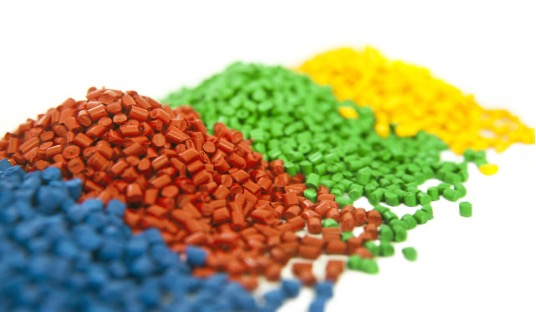
    ผลิตชิ้นงานพลาสติกได้หลายสีตามต้องการ

    เม็ดพลาสติกโพลีสไตรีนมีสีใส หรือมีสีขาว จึงเป็นพลาสติกที่มีความโปร่งใสสูง ทำให้สามารถนำพลาสติกชนิดนี้ไปผสมสีได้ตามต้องการ ทั้งแบบสีใส และแบบสีทึบ ผิวชิ้นงานจะมีความมันเงาช่วยให้สินค้าดูโดดเด่น และแข็งแรงทนทาน ให้ผิวสัมผัสสวย

    การทนความร้อน ถาด PS ทำความร้อนได้ดี จึงสามารถบรรจุอาหาร หรืออุปกรณ์ต่างๆ ที่อุณหภูมิ ระหว่าง -20๐C ถึง 80๐C

    PS นำไปผลิตเป็น Compound PS ได้หลายแบบ

    เม็ดพลาสติกโพลีสไตรีนสามารถนำไปผลิตเป็น Compound PS ซึ่งมีคุณสมบัติในการป้องกันไฟฟ้าสถิต ทำให้เหมาะสำหรับการผลิตอุปกรณ์ที่เกี่ยวข้องกับไฟฟ้าได้มากขึ้น เช่น ถุง กล่อง หรือแพ็กเกจจิงที่กันไฟฟ้าสถิต กล่องคอนโทรลงานไฟฟ้า เป็นต้น

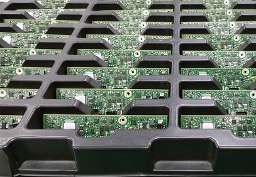
    ถาดป้องกันไฟฟ้าสถิต และถาดนำกระแสไฟฟ้าในอุปกรณ์อิเล็กทรอนิกส์

    อีกหนึ่งชิ้นส่วนที่นิยมใช้พลาสติก PS ในการผลิตก็คือ ถาดป้องกันไฟฟ้าสถิต และถาดนำกระแสไฟฟ้าในอุปกรณ์ไฟฟ้าและอุปกรณ์อิเล็กทรอนิกส์ต่าง ๆ ซึ่งมีส่วนสำคัญในด้านความปลอดภัย และการทำงานของอุปกรณ์เหล่านั้น

  • พลาสติก PP คืออะไรกันนะ ?

    พลาสติก PP คืออะไรกันนะ ?

    ถาด PP เป็นพลาสติกที่มีความเหนียวค่อนข้างดี น้ำไม่สามารถซึมผ่านได้ ทำให้สามารถเก็บอาหารสด อาหารแช่แข็ง อาหารแปรรูปทุกชนิดได้ดี ทนต่อความร้อนได้สูง สามารถนำไปอบฆ่าเชื้อในหม้อนึ่งอัดความดัน และเมื่อทำเป็นภาชนะบรรจุอาหาร สามารถนำเข้าเครื่องล้างจานอัตโนมัติ และภาชนะบรรจุอาหารสำหรับไมโครเวฟได้

    วิธีการใช้ถาด PP ที่ถูกต้อง

    1. ทนสารเคมีได้ดี และใส่อาหารที่มีฤทธิ์กัดกร่อนได้เล็กน้อยอย่างปลอดภัย

    2. ทนความเย็นได้ -20๐C สำหรับใช้เก็บอาหารในตู้เย็น

    3. ทนความร้อนได้ 110๐C สามารถนำเข้าไมโครเวฟได้

    4. สามารถนำไปรีไซเคิลและใช้ในอุตสาหกรรมที่ไม่ต้องสัมผัสอาหารได้อีก

  • พลาสติก PET คืออะไรกันนะ ?

    พลาสติก PET คืออะไรกันนะ ?

    พลาสติก PET คืออะไรกันนะ ?

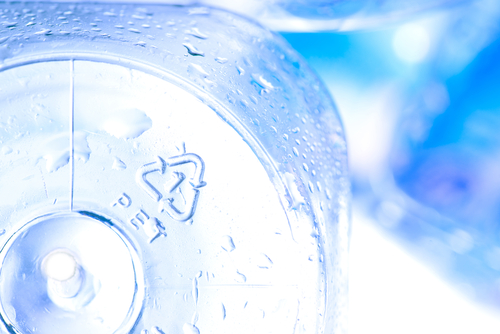
    ถาด PET ผลิตจากเม็ดพลาสติก Polyethylene Terephalate สามารถแบ่งได้ 2 ประเภท คือ

    1. APET มีความใส สวยงาม เหมาะสำหรับใส่อาหารแช่เย็น ช่วยเสริมให้สินค้าดูดีน่ารับประทาน เช่น กล่องผลไม้ กล่องขนมไทย

    2. CPET ถูกปรับปรุงคุณสมบัติให้แข็งแรง ทนทานต่ออุณหภูมิ ด้วยการเติมสาร Nucleating Agent ลงไป PET เป็นพลาสติกที่มีความเหนียวและมีความทนต่อแรงดึงสูงและป้องกันการซึมผ่านได้ สามารถป้องกันไม่ให้อากาศเข้าออกได้ง่าย นิยมใช้บรรจุอาหารสำหรับไมโครเวฟ เช่น กล่องอาหารแช่แข็งในซุปเปอร์มาร์เก็ต และร้านสะดวกซื้อ

    วิธีการใช้ถาด Pet ที่ถูกต้อง

    1. ถาด PET ทั้งสองชนิด สามารถแช่แข็งในช่องฟรีซได้

    2. มีความโปร่งใสสูง ไม่ทนต่อสารเคมีจำพวกด่างแก่ เช่น น้ำยาล้างห้องน้ำ สบู่

    3. ถาด APET สามารถบรรจุอาหารอุณหภูมิ ระหว่าง -40๐C ถึง 60๐C

    4. ถาด PET สามารถนำไปรีไซเคิลและใช้ในอุตสาหกรรมที่ไม่ต้องสัมผัสอาหารได้

  • ความแตกต่างระหว่างถาดป้องกันไฟฟ้าสถิตและถาดนำไฟฟ้า

    ความแตกต่างระหว่างถาดป้องกันไฟฟ้าสถิตและถาดนำไฟฟ้า

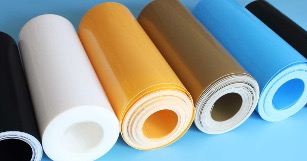
    ในแง่ของประเภทวัสดุ วัสดุถาดป้องกันไฟฟ้าสถิตสามารถแบ่งออกเป็นสี่ประเภท: PS, PP, PET และ PVC วัสดุถาดป้องกันไฟฟ้าสถิตย์ PP และวัสดุถาดป้องกันไฟฟ้าสถิต PS เป็นของการเคลือบภายใน และวัสดุถาดป้องกันไฟฟ้าสถิตย์ PET และวัสดุถาดป้องกันไฟฟ้าสถิตย์ PVC เป็นของการเคลือบภายนอก การเติมภายในหมายถึงการประมวลผลโดยตรงของอนุภาควัตถุดิบที่ป้องกันไฟฟ้าสถิตย์หรือนำไฟฟ้าลงในแผ่นพุพองถาดป้องกันไฟฟ้าสถิตย์โดยไม่ต้องเติมของเหลวป้องกันไฟฟ้าสถิตย์ การเคลือบภายนอกหมายถึงการเคลือบชั้นของของเหลวป้องกันไฟฟ้าสถิตบนพื้นผิวของวัสดุในระหว่างการผลิตแผ่นพุพองถาดป้องกันไฟฟ้าสถิตย์เพื่อให้ได้ผลป้องกันไฟฟ้าสถิตย์

    วัสดุถาดป้องกันไฟฟ้าสถิตต่างๆ มีลักษณะเฉพาะที่แตกต่างกัน:

    1) ถาดป้องกันไฟฟ้าสถิตย์ PS สีทั่วไปคือขาวดำและสีอื่น ๆ ยังสามารถปรับแต่งตามความต้องการของลูกค้า แต่ปริมาณการสั่งซื้อขั้นต่ำของแผ่นสีนั้นสูงมาก และแผ่นสีสามารถทำได้เฉพาะใน กำลังไฟ 9-11 หากจำนวนถาดป้องกันไฟฟ้าสถิตย์ที่ต้องการมีน้อยและข้อกำหนดสำหรับค่าป้องกันไฟฟ้าสถิตย์สูง โดยทั่วไปไม่แนะนำให้ใช้ แผ่นถาดป้องกันไฟฟ้าสถิตสีดำ PS สามารถทำเป็นถาดป้องกันไฟฟ้าสถิตที่มีดัชนีสามระดับ ในขณะที่ดัชนีป้องกันไฟฟ้าสถิตย์ของถาดป้องกันไฟฟ้าสถิตย์สีขาวสามารถทำได้โดยใช้กำลัง 9-11 เท่านั้น

    2) ถาดป้องกันไฟฟ้าสถิตย์ PP สีทั่วไปคือสีดำและโปร่งใส มีหมอกเล็กน้อยและสีขาวเล็กน้อย ซึ่งสามารถเรียกอีกอย่างว่าโปร่งแสง ถาดป้องกันไฟฟ้าสถิต PP และถาดป้องกันไฟฟ้าสถิตย์ PS มีหลายอย่างที่เหมือนกัน เช่นเดียวกับถาดป้องกันไฟฟ้าสถิตย์ PS แผ่นสีและแผ่นโปร่งแสงสามารถสร้างเป็นดัชนีป้องกันไฟฟ้าสถิต 9-11 และค่าเริ่มต้นของแผ่นสีเท่านั้น ปริมาณการสั่งซื้อสูงมากและไม่แนะนำโดยทั่วไป PP เป็นวัสดุที่ทนต่ออุณหภูมิได้สูงที่สุด และอุณหภูมิที่ผิดเพี้ยนจากความร้อนคือ 80-120 องศา เมื่อเทียบกับวัสดุอีกสามชนิด วัสดุพาเลทป้องกันไฟฟ้าสถิตย์ PP นั้นนิ่มกว่า แผ่นถาดป้องกันไฟฟ้าสถิตย์สีดำ PP และถาดป้องกันไฟฟ้าสถิตสีดำ PS สามารถทำเป็นถาดป้องกันไฟฟ้าสถิตเกรดดัชนีได้สามถาด

    3) ถาดป้องกันไฟฟ้าสถิตย์ PET สีธรรมดามีความโปร่งใสและสามารถทำเป็นแผ่นสีได้ตามความต้องการของลูกค้า แต่ขั้นต่ำจะสูงมากโดยทั่วไปไม่แนะนำ วิธีการประมวลผลของแผ่นถาดป้องกันไฟฟ้าสถิตย์ PET คือการเคลือบภายนอก ซึ่งเหมือนกับถาดป้องกันไฟฟ้าสถิตย์ PP และถาดป้องกันไฟฟ้าสถิตย์ PS และยังสามารถทำเป็นดัชนีป้องกันไฟฟ้าสถิตย์สามระดับ กำลังไฟ 9-11 กำลังไฟ 6-9 และ 3-6 กำลังไฟ 6-9 และ 3-6 กำลังไฟของถาดป้องกันไฟฟ้าสถิต PET มีข้อกำหนดขั้นต่ำที่สูงมาก จึงไม่แนะนำสำหรับผู้ที่มีความต้องการน้อย

    4) ถาดป้องกันไฟฟ้าสถิต PVC เหมือนกับถาดป้องกันไฟฟ้าสถิตย์ PET สีทั่วไปมีความโปร่งใส และยังสามารถทำเป็นแผ่นสีตามความต้องการของลูกค้า ควรสังเกตว่าถาดป้องกันไฟฟ้าสถิต PVC สามารถสร้างเอฟเฟกต์ป้องกันไฟฟ้าสถิตได้โดยมีดัชนีไฟฟ้าสถิตเท่ากับ 9-11 เท่านั้น ดังนั้นจึงไม่แนะนำให้เลือกถาดป้องกันไฟฟ้าสถิตที่มีความต้องการน้อย

  • ” กีฬาสีสัมพันธ์ เชื่อมความสามัคคีในองค์กร “

    ” กีฬาสีสัมพันธ์ เชื่อมความสามัคคีในองค์กร “

    บริษัท โชคสีมา พลาสแพค จัดกิจกรรม กีฬาสีสัมพันธ์ เพื่อเสริมสร้างความสามัคคีและความสัมพันธ์ที่ดีระหว่างพนักงานและผู้บริหาร กิจกรรมนี้ไม่เพียงเป็นการแข่งขันกีฬาเท่านั้น แต่ยังเป็นโอกาสที่ทุกคนจะได้ร่วมสนุก สร้างความสามัคคี และกระชับความสัมพันธ์ในการทำงานให้แน่นแฟ้นยิ่งขึ้น

    ภายในงานมีกิจกรรมกีฬาหลากหลายประเภท ไม่ว่าจะเป็น กีฬาสากล เช่น ฟุตบอล วอลเลย์บอล และกีฬาพื้นบ้านที่สร้างสีสันและเสียงหัวเราะ รวมถึงกิจกรรมเชียร์ที่ช่วยสร้างพลังบวกให้กับทีม ทุกคนได้ร่วมแรงร่วมใจ เชียร์กันอย่างเต็มที่ และแสดงออกถึงการทำงานเป็นทีม

    นอกจากความสนุกแล้ว กีฬาสียังช่วยให้พนักงานจากหลากหลายแผนกได้ทำความรู้จักกันมากขึ้น ลดช่องว่างระหว่างกัน และส่งเสริมวัฒนธรรมองค์กรที่เข้มแข็ง ซึ่งเป็นปัจจัยสำคัญในการสร้างบรรยากาศการทำงานที่ดี

    กิจกรรมครั้งนี้จบลงด้วยความประทับใจและรอยยิ้มของทุกคน และแน่นอนว่าเรายังคงมุ่งมั่นจัดกิจกรรมดี ๆ เช่นนี้ต่อไป เพื่อให้บริษัทเป็นเสมือนครอบครัวที่อบอุ่นและเต็มไปด้วยความสามัคคี

    ? ติดตามภาพความสนุกและบรรยากาศจากงานกีฬาสีได้ที่..

  • กิจกรรมการทำบุญสงกรานต์ และ รดน้ำดำหัวผู้ใหญ่

    กิจกรรมการทำบุญสงกรานต์ และ รดน้ำดำหัวผู้ใหญ่

    กิจกรรมการซ้อมดับเพลิง: ความสำคัญและประโยชน์ที่ทุกองค์กรควรรู้

    กิจกรรมการทำบุญสงกรานต์และรดน้ำดำหัวผู้ใหญ่: สืบสานประเพณีไทยให้งดงาม

    สงกรานต์: ประเพณีแห่งความสุขและความกตัญญู
    สงกรานต์ถือเป็นประเพณีสำคัญของชาวไทยที่สืบทอดกันมาอย่างยาวนาน เป็นเทศกาลแห่งความสุข ความอบอุ่น และโอกาสสำคัญในการสร้างบุญกุศล พร้อมกับการแสดงความกตัญญูต่อผู้ใหญ่ในครอบครัว


    กิจกรรมการทำบุญสงกรานต์
    การทำบุญในช่วงสงกรานต์มักจัดขึ้นในวัดหรือสถานที่สำคัญ โดยมีวัตถุประสงค์เพื่อความเป็นสิริมงคล และแสดงความเคารพต่อพระพุทธศาสนา

    ขั้นตอนของการทำบุญสงกรานต์

    1. การตักบาตร: เริ่มต้นเช้าวันสงกรานต์ด้วยการตักบาตรพระสงฆ์ เพื่อเสริมสิริมงคลให้กับชีวิต
    2. การถวายสังฆทาน: ถวายของใช้ที่จำเป็นสำหรับพระสงฆ์ เช่น ข้าวสาร อาหารแห้ง และปัจจัย
    3. การสรงน้ำพระ: การรดน้ำพระพุทธรูปด้วยน้ำอบไทย ถือเป็นการชำระล้างจิตใจให้บริสุทธิ์

    กิจกรรมรดน้ำดำหัวผู้ใหญ่
    การรดน้ำดำหัวเป็นประเพณีที่สะท้อนถึงความกตัญญูและความเคารพต่อผู้ใหญ่ในครอบครัว เป็นโอกาสให้ลูกหลานได้แสดงความขอบคุณ และขอพรเพื่อความเป็นสิริมงคล

    ขั้นตอนการรดน้ำดำหัวผู้ใหญ่

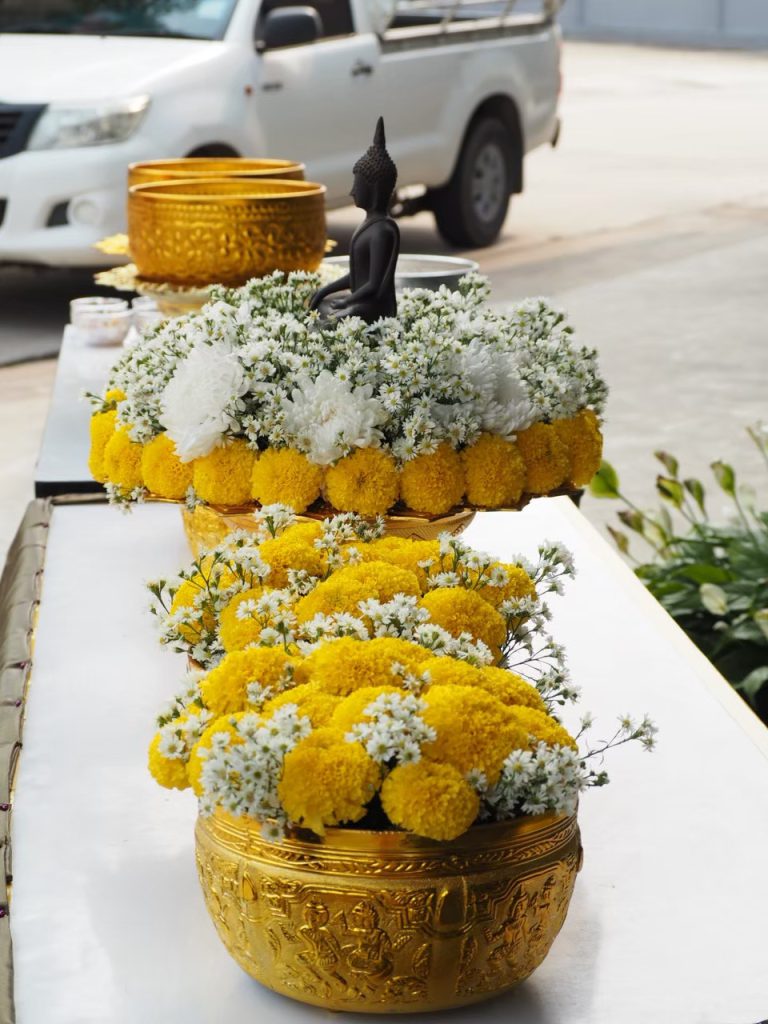
    1. จัดเตรียมอุปกรณ์: น้ำอบไทย ใบมะกรูด ดอกไม้ และพานสำหรับน้ำ
    2. การกล่าวขอขมา: ลูกหลานกล่าวคำขอขมาหรือแสดงความเคารพต่อผู้ใหญ่
    3. การรดน้ำดำหัว: ใช้น้ำที่เตรียมไว้รดที่มือของผู้ใหญ่ พร้อมรับพรจากท่าน

    ความสำคัญของกิจกรรม

    เสริมสิริมงคล: ทั้งการทำบุญและการรดน้ำดำหัวช่วยเสริมพลังใจและนำความโชคดีมาสู่ชีวิต

    เสริมความสัมพันธ์ในครอบครัว: กิจกรรมเหล่านี้ช่วยสร้างความใกล้ชิดและความอบอุ่นระหว่างสมาชิกในครอบครัว

    สืบสานวัฒนธรรมไทย: ช่วยอนุรักษ์และส่งต่อประเพณีที่ดีงามให้กับคนรุ่นหลัง